
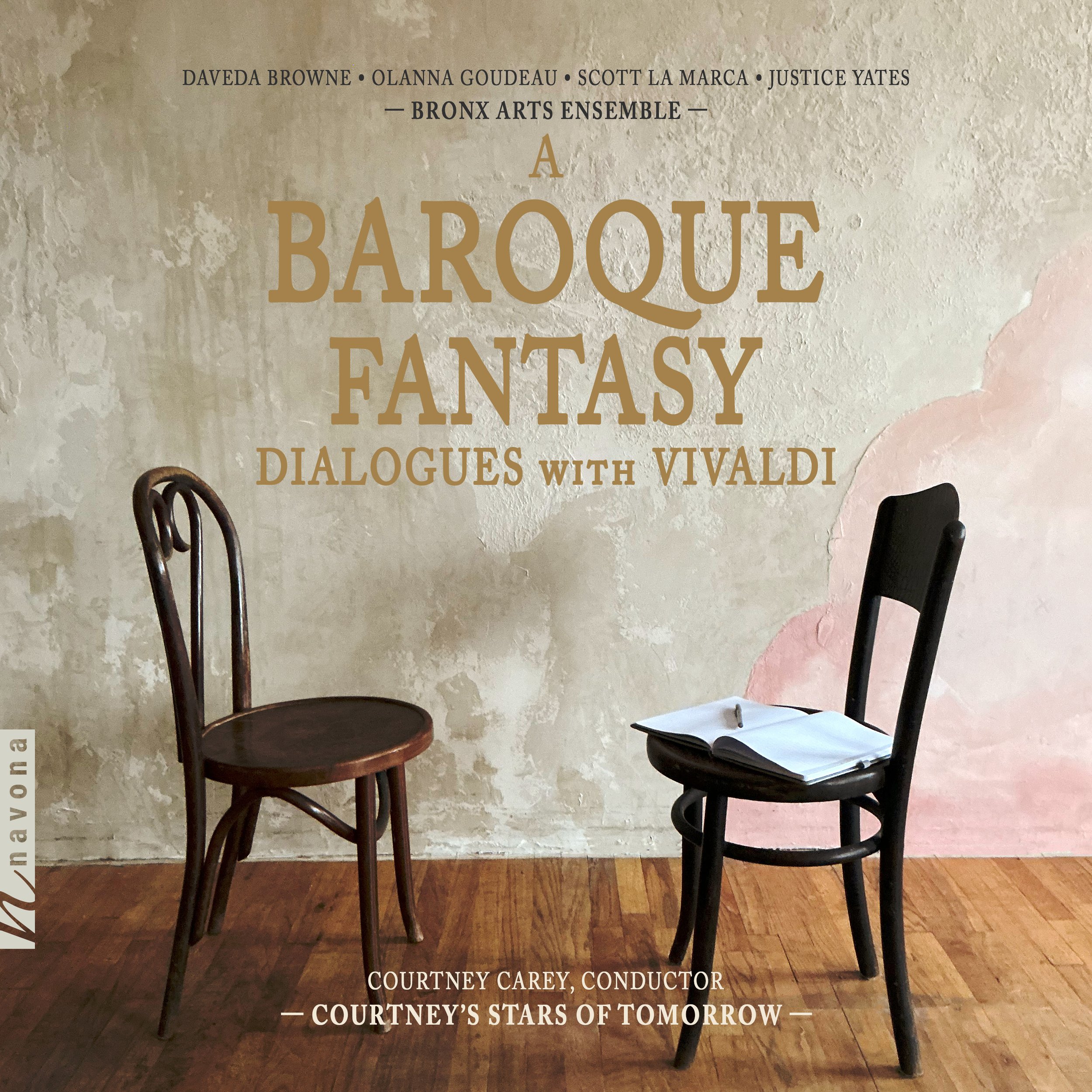
A Baroque Fantasy: Dialogues with Vivaldi
Courtney’s Stars of Tomorrow | Courtney Carey conductor
Olanna Goudeau soprano
Daveda Browne mezzo-soprano
Scott La Marca tenor
Justice Yates bass
Bronx Arts Ensemble
Release Date: September 18, 2026
Catalog #: NV6885
Format: Digital
A BAROQUE FANTASY: DIALOGUES WITH VIVALDI brings the expressive world of Antonio Vivaldi into quiet conversation with a contemporary voice. Pairing two of Vivaldi’s motets — one sacred, one secular — with a newly composed Stabat Mater, the album explores a shared language of intensity, clarity, and dramatic expression.
At its center is Courtney Carey’s Stabat Mater, a work shaped by the voice — by breath, line, and the inflection of text — offering a complementary perspective to Vivaldi’s instrumental imagination. Performed by a distinguished cast of vocalists and realized through the collaboration between Courtney’s Stars of Tomorrow and the Bronx Arts Ensemble, this recording reveals a Baroque world that is intimate, transparent, and deeply immediate.
-
The 20th century witnessed a renewed awakening of interest in Baroque music, an era of rediscovery that restored composers such as Antonio Vivaldi to a central place in the musical imagination. While his most familiar works — The Four Seasons and the Gloria — have long secured their place in the repertoire, his Latin motets in particular reveal a more intimate and dramatically charged voice: one shaped by radiant lyricism, ornate design, and a striking immediacy of expression. It is within this expressive world that A BAROQUE FANTASY: DIALOGUES WITH VIVALDI finds its point of departure.
-
This recording brings into conversation two of Vivaldi’s motets — one sacred, one secular — alongside a contemporary setting of the Stabat Mater. The pairing is intentional. In Vivaldi’s writing, the boundary between sacred and secular expression is often permeable; both are animated by a vivid sense of drama and emotional urgency. Placed side by side, these works trace a shared expressive language across differing contexts, revealing how intensity, ornament, and narrative unfold in both devotional and theatrical forms.
Although my own work draws upon Baroque forms and gestures, it does so from a different center of gravity. Where much of this repertoire reflects an instrumental imagination — shaped by motion, brilliance, and gesture — my own approach begins from the voice, from breath, line, and the inflection of text. These are not opposing perspectives, but parallel ways of inhabiting the same expressive world, each revealing its own path toward clarity and intensity.
Yet for me, this language was not discovered abstractly, but in a moment of immediate, almost visceral recognition.My first encounter with the “Alleluia” from In furore iustissimae irae was electrifying. Its virtuosic vocal line, propelled by relentless energy and brilliance, carries a kind of fire that feels almost elemental. That intensity — direct and unyielding — resonated deeply with my own musical instincts. While my Stabat Mater does not seek to mirror that same level of virtuosity, its most heightened moments, particularly in the Inflammatus, draw upon a similar sense of urgency and propulsion.
If In furore embodies fire, then Cessate, omai cessate offers a different but equally compelling kind of drama. Its unfolding feels almost operatic in scope, shaped by an arc that moves through tension, anguish, and release. This sense of continuity — music as narrative — proved a powerful point of inspiration. In approaching the Stabat Mater, I was drawn not only to the text itself, but to the drama contained within it: a libretto of striking poignancy and clarity, whose verses seem to invite musical shaping.
The origins of my Stabat Mater trace back to 2016, when I conducted Gioachino Rossini’s setting of the text. Immersing myself in the hymn revealed its openness, 20 verses that have inspired widely varied interpretations across centuries. No single setting feels definitive; each offers a distinct lens through which to encounter the text. That sense of multiplicity — of tradition coupled with freedom — remained with me.
The idea took clearer form following a performance I conducted at Merkin Hall in New York, featuring Vivaldi’s Gloria and the “Alleluia” from In furore iustissimae irae. In the wake of that concert, I began to imagine a work that would engage the Baroque idiom not as a style to be reproduced, but as a living language — one capable of sustaining a contemporary voice while retaining its essential clarity and sense of line. From this impulse emerged a 21st-century Stabat Mater.
While the text centers on Mary’s suffering at the Cross, my setting approaches that grief through a distinct dramatic lens. The work was conceived for three male voices — countertenor, tenor, and bass — with the countertenor embodying Christ while simultaneously giving voice to Mary’s lament. In this recording, however, the upper line is sung by mezzo-soprano Daveda Browne, whose voice — rich in its lower extension and shaped by a warm, resonant depth — preserves the intended expressive weight while offering a distinctive and compelling color. The tenor, Scott La Marca, and bass, Justice Yates bring a lyric sensibility that allows the work to unfold with intimacy rather than weight.
In contrast, the soprano writing of In furore iustissimae irae is realized here by Olanna Goudeau, whose bright, agile voice lends the music brilliance and lift. In the virtuosic passages of the Alleluia, as well as in more reflective moments, her sound seems to hover just above the ensemble. In Cessate, omai cessate, the mezzo-soprano returns in a more introspective role, shaping the work’s dramatic arc with warmth and depth.
The instrumental forces, drawn from the ongoing collaboration with the Bronx Arts Ensemble, reflect a similarly intentional approach to texture. The omission of the double bass from the continuo creates a more transparent sonority, allowing the vocal lines and text to remain at the forefront.
Beneath this clarity of texture lies a unifying structural idea. The number three serves as a unifying thread throughout the Stabat Mater, appearing in the vocal forces, instrumental groupings, and rhythmic structure, including the 3/8 meter of the “Inflammatus.” These elements reflect the three figures at the Cross, with Mary’s presence emerging as a distinct and often solitary voice.
Composed between February and April 2025, the Stabat Mater was originally intended for performance on Good Friday. It received its premiere on May 8, 2025, at the Church of St. Philip Neri, followed by a second performance at Our Lady of Mt. Carmel. Structured in seven movements and spanning approximately fifteen minutes, the work moves between moments of stillness and intensity, tracing an emotional arc that mirrors the text itself.
From moments of quiet suspension to passages of heightened intensity, A BAROQUE FANTASY: DIALOGUES WITH VIVALDI invites the listener into a space where past and present meet — not in imitation, but in dialogue.– Courtney Carey
-
Courtney’s Stars of Tomorrow
This project was made possible through the generous support of Cecilia Morris. Additional funding for the recording was provided in part by The Alice M. Ditson Fund.Support for the live performances was provided in part by the New York State Council on the Arts.
Bronx Arts Ensemble
This program is supported, in part, by public funds from the New York City Council, Councilmember Eric Dinowitz, District 81 Assemblymember Jeffrey Dinowitz, NYC Department of Cultural Affairs, and New York State Council on the Arts.
Additional support is provided by the Howard Gilman Foundation.
Meet the Artists
-
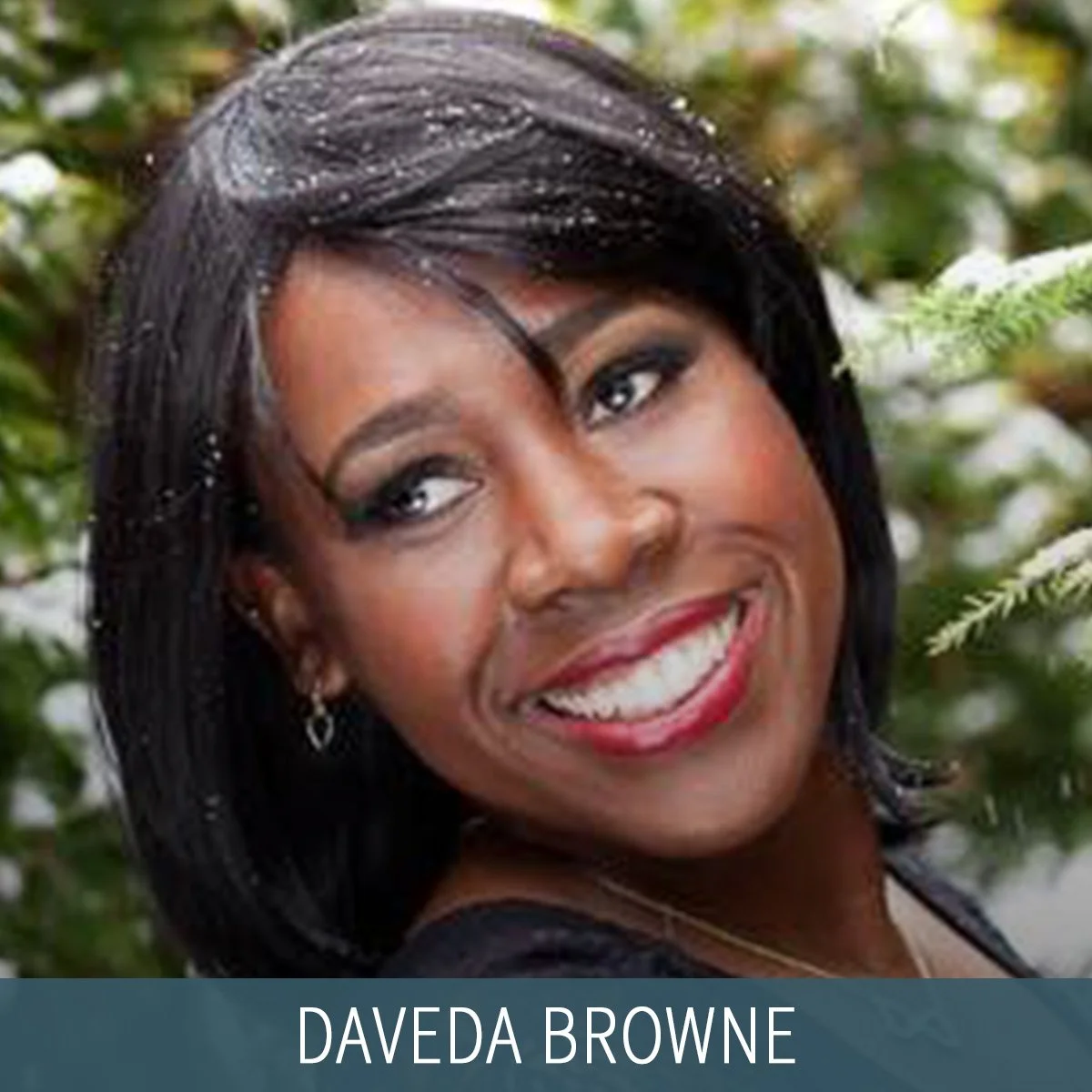
Mezzo-Soprano
Stabat Mater | Cessate, omai cessate
Daveda Browne is a mezzo-soprano from St. Kitts and Nevis who combines an international performing career with corporate leadership as a Vice President at Goldman Sachs. She has appeared at the Metropolitan Opera, Lincoln Center, Lyric Opera of Chicago, the Apollo, and with ensembles including the National Chorale, America Spiritual Ensemble, Choral Arts Society of New Jersey, and Courtney's Stars of Tomorrow. Her operatic repertoire includes principal roles in Aida, Dialogues of the Carmelites, Amahl and the Night Visitors, Orlando, and The Rake's Progress. She continues to perform internationally while championing opera, concert repertoire, mentorship, and artistic excellence across communities.
-
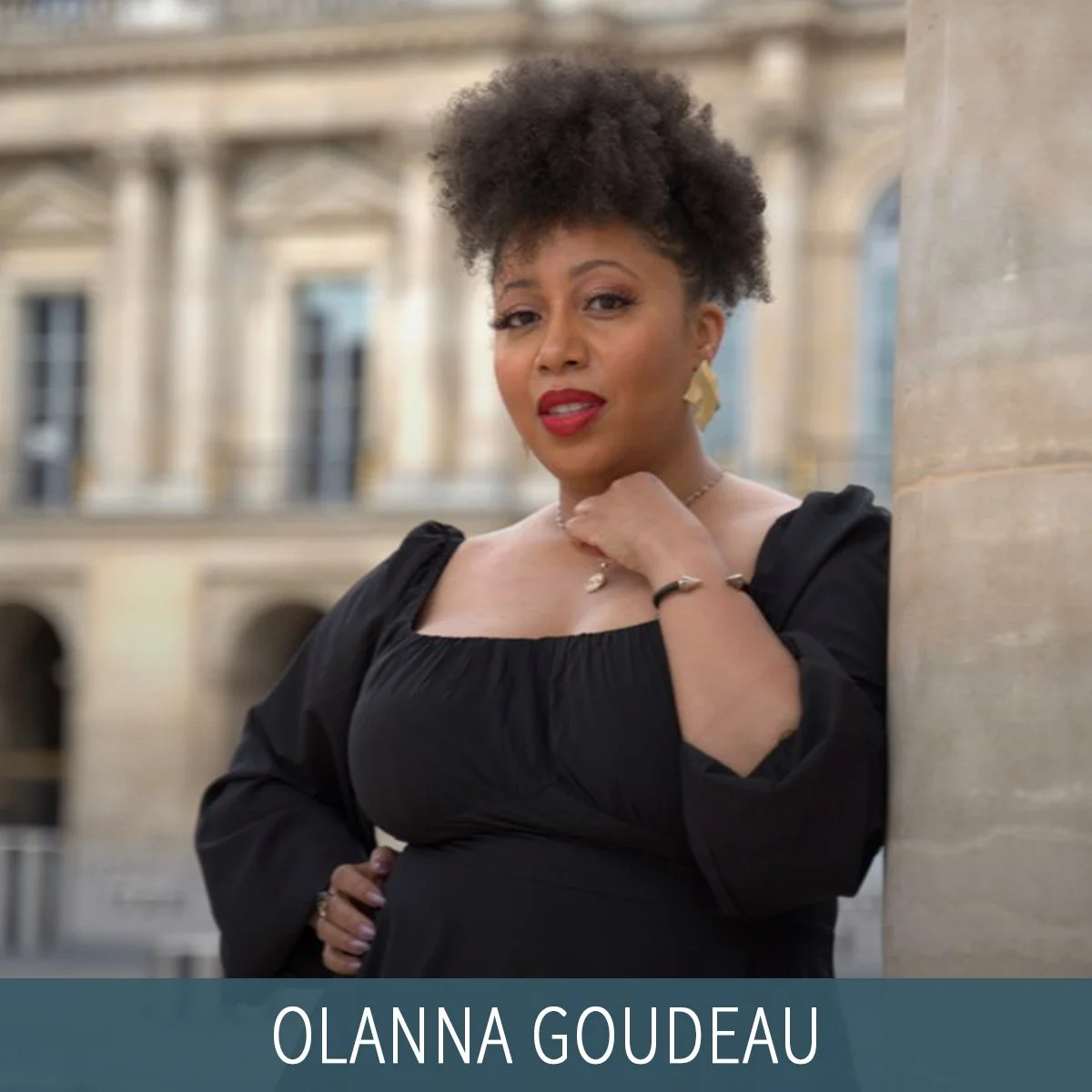
Soprano
In furore iustissimae irae
Olanna Goudeau is a versatile soprano celebrated for her dazzling coloratura, rich lyricism, and crystalline upper range. A Port Arthur, Texas native, she gained national recognition on NBC's America's Got Talent as one half of the opera duo ACTE II. She maintains an active performance career spanning opera, concert, and crossover repertoire. Recent engagements include Apollo Uptown Hall, A Tribute to the Concert Spiritual, Damien Sneed's The Tongue & The Lash, Brahms' Requiem, and Stradella's San Giovanni Battista. Olanna is also a voice teacher, certified Life and Business Coach, mother, and member of the New York Philharmonic Chorus and Voices.
-
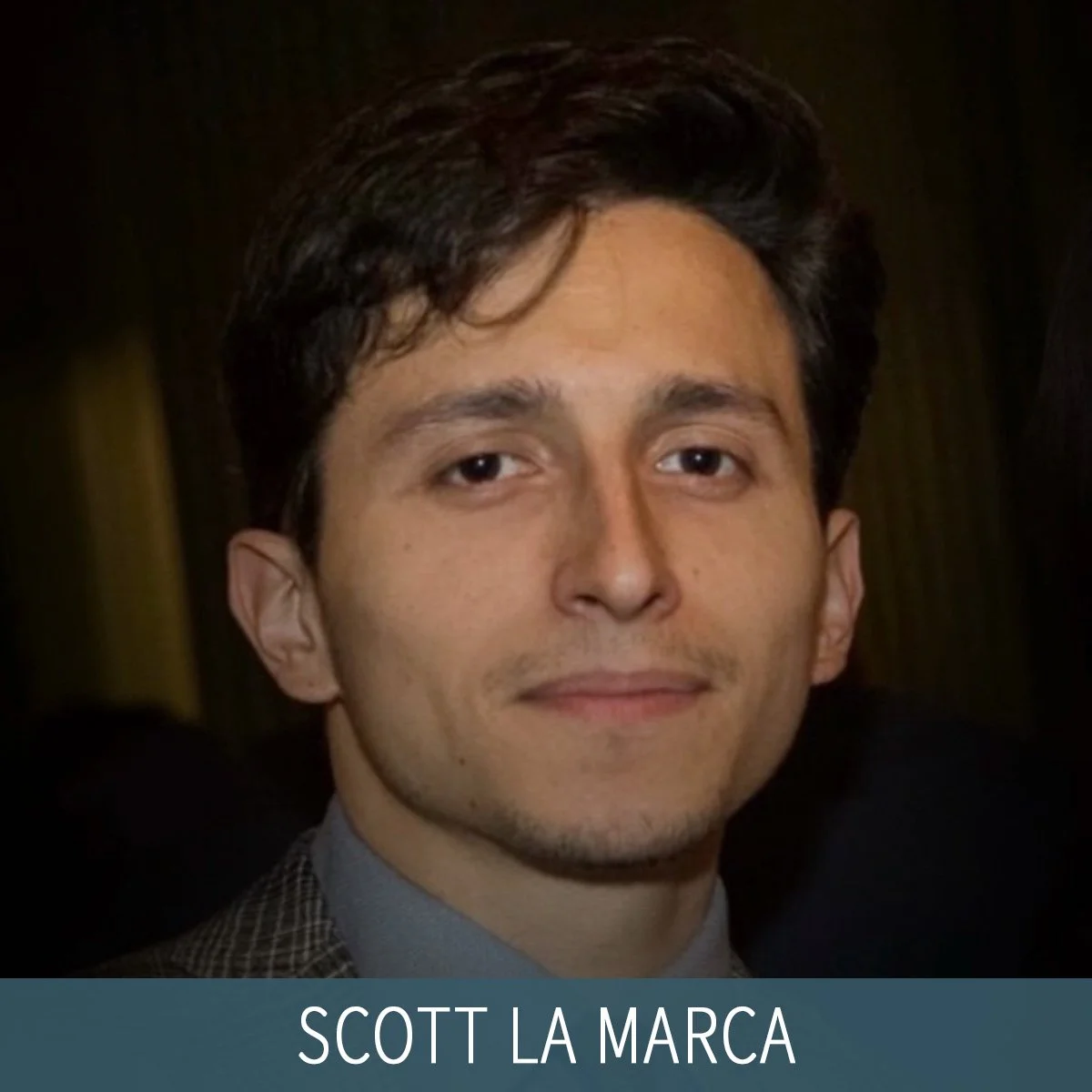
Tenor
Stabat Mater
Scott Rubén La Marca is a tenor and Yale Opera Vocal Fellow alumnus whose artistry reflects his Latino and Italian heritage. Upcoming engagements include Azor in Zémire et Azor and Normanno in Lucia di Lammermoor with Berkshire Opera Festival, followed by Pong in Turandot with Daegu Opera in South Korea. Recent performances include Peter Quint and the Prologue in The Turn of the Screw, Ferrando in Così fan tutte, and the world premiere of Christopher Theofanidis' Siddhartha, She at the Aspen Music Festival. Scott also performs song repertoire and is an accomplished visual artist trained at Pratt Institute in Brooklyn.
-
Bass-Baritone
Stabat Mater
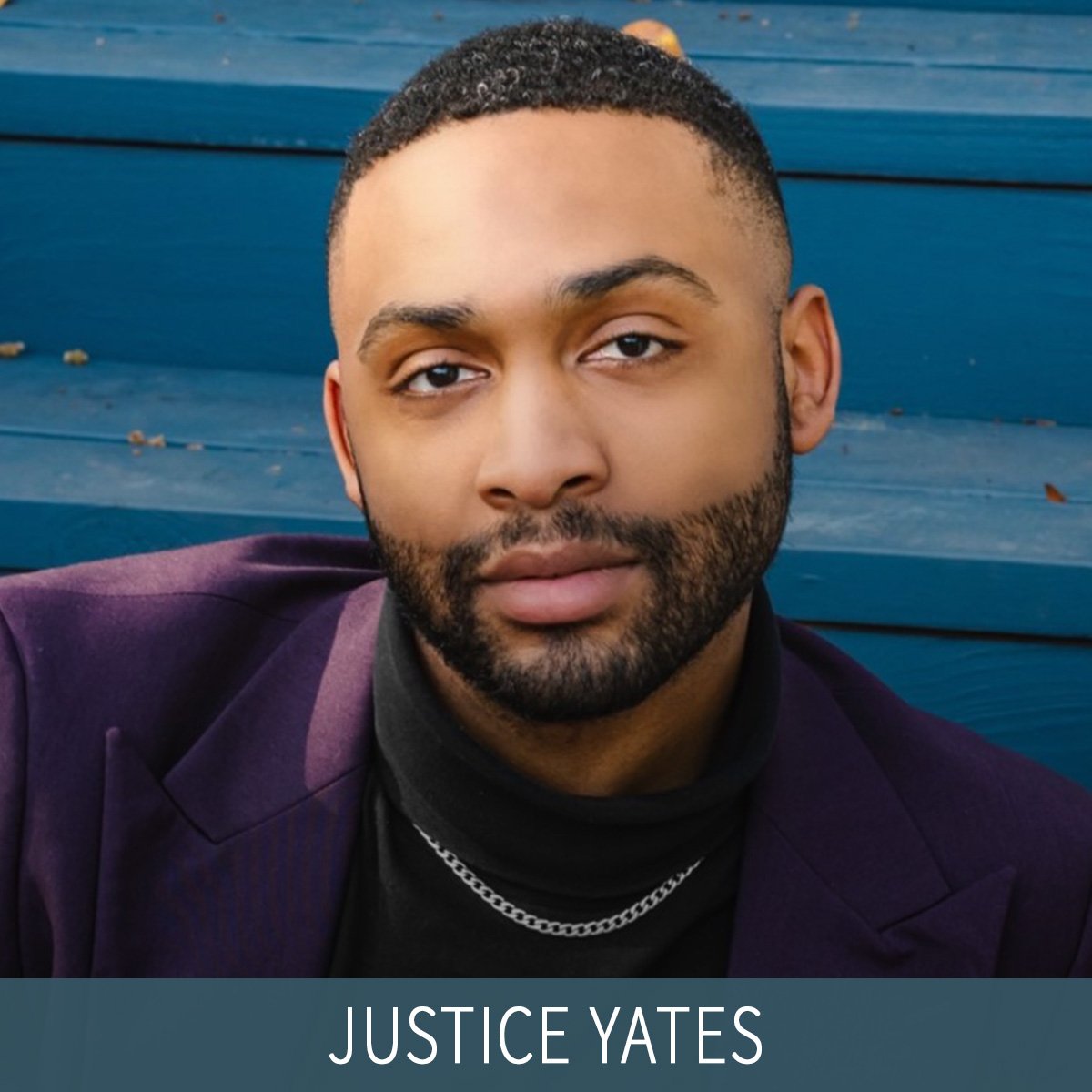
Justice Yates is a bass-baritone and 2026 Laffont National Semifinalist currently studying Voice and Opera Performance with Gerald Martin Moore at the Yale University School of Music. A two-year participant in the Merola Opera Program, he performed Masetto and covered Leporello in Don Giovanni before covering Le Gouverneur in Le Comte Ory and performing Don Annibale and Enrico in scenes programs. Recent Yale roles include Ibn-Hakia in Iolanta and Tobias Mill in La Cambiale di Matrimonio. Following graduation, he joins the 2026 Ravinia Steans Music Institute as a Singer Fellow while continuing his professional career in opera and concert performance.
-
Bronx Arts Ensemble
Chamber Orchestra
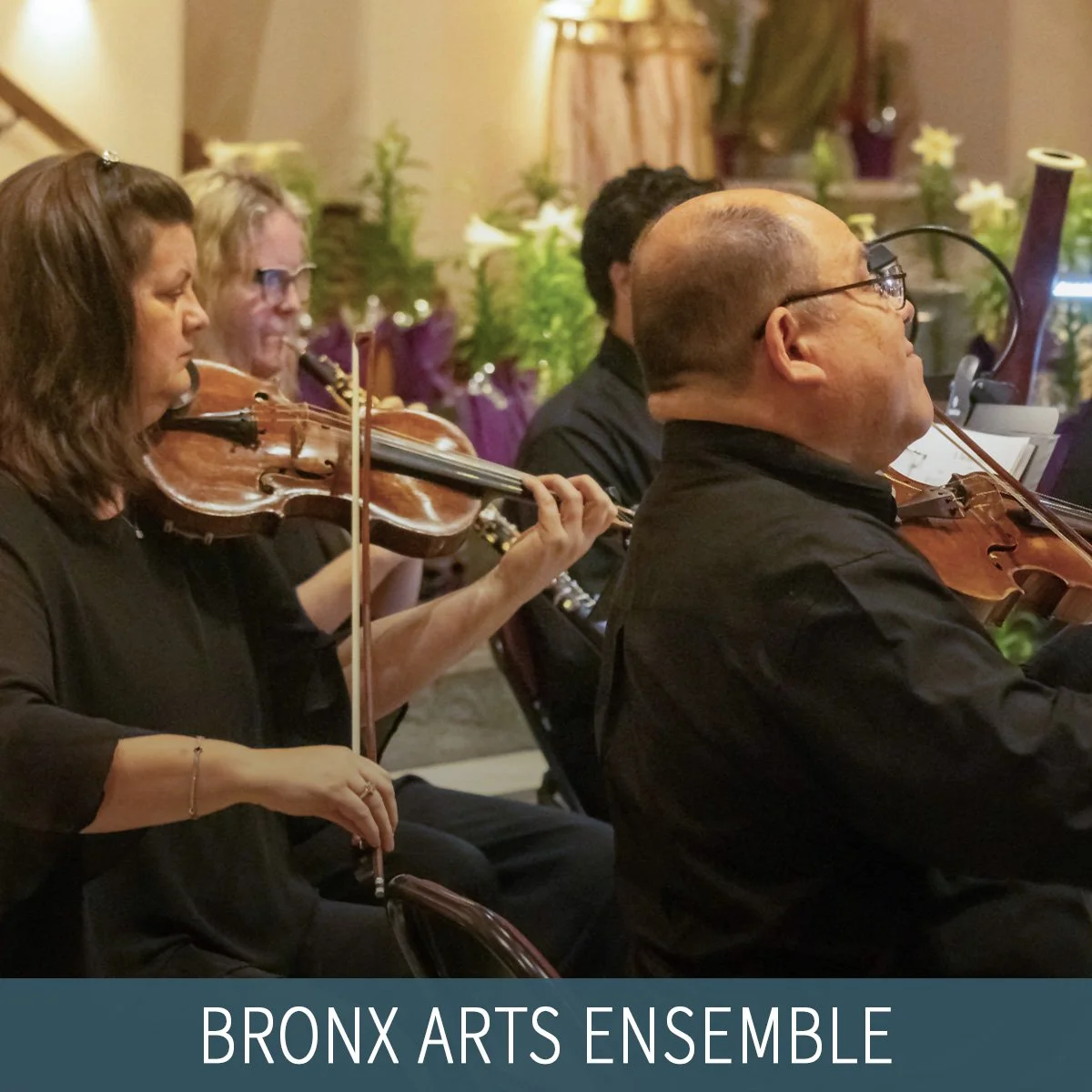
The Bronx Arts Ensemble has shared the arts with neighborhoods across the Bronx and citywide since 1972, showcasing works from diverse cultures. BAE’s arts-in-education programs have served students since the 1980s through multi-disciplinary teaching residencies in NYC public schools.
-
Conductor | Composer
CSOT
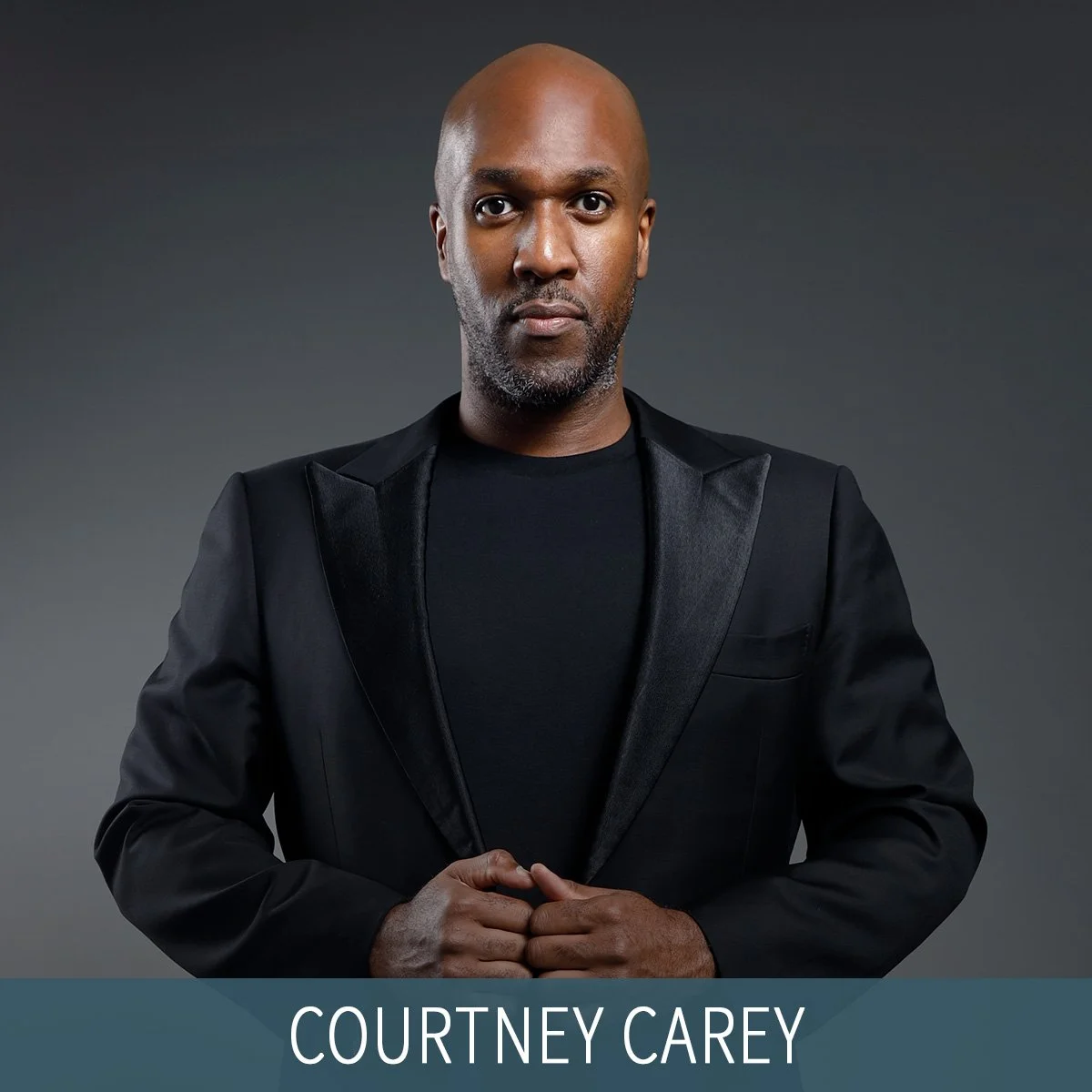
Courtney Carey is an American baritone, conductor, composer, and arts administrator whose work expands access to classical music through performance, recording, publishing, and education. Founder and Artistic Director of Courtney’s Stars of Tomorrow, he has presented orchestral, choral, and operatic performances throughout New York City while supporting artists and creating new work. His compositions are published by GIA Publications, The Lorenz Corporation, and Carus Verlag. A graduate of Morehouse College, the Eastman School of Music, and Mannes College of Music, Carey continues his recording work with A Baroque Fantasy: Dialogues with Vivaldi, his second album for Navona Records.